Organic Champagne: What “Bio” Means From Vineyard to Glass
More and more wine lovers look for the word “organic”, or “bio” in French, on the label of their champagne. But what does it actually mean? How is an organic champagne different from a conventional one, and how does organic farming relate to the other environmental labels used in Champagne? This guide answers these questions in plain terms.
What is organic champagne?
An organic champagne is made from grapes grown according to organic farming rules and produced in a cellar that also follows organic winemaking rules. In the European Union, these rules are defined by EU organic regulations, and compliance is checked every year by an independent certification body. Only a certified wine may display the EU organic logo, the green leaf, and in France the “AB” (Agriculture Biologique) mark.
Converting a vineyard to organic farming takes time: there is a conversion period of three years before the grapes can be sold as organic.
Organic in the vineyard
The biggest differences between organic and conventional champagne are found among the vines:
- No synthetic herbicides: weeds are managed by ploughing, mowing or grass cover between the rows.
- No synthetic pesticides or fungicides: growers rely on authorised natural products, such as copper and sulphur, in limited quantities.
- No synthetic fertilisers: the soil is nourished with compost and organic matter.
- Close observation: because treatments are preventive rather than curative, growers must watch the weather and the health of the vines very closely.
The cool, damp climate of Champagne makes organic viticulture demanding, especially in rainy years when mildew pressure is high. That is one reason organic vineyards still represent a minority of the appellation, even though the area farmed organically has grown steadily.
Organic in the cellar
Organic winemaking rules also apply after the harvest. They limit the additives and processing aids that can be used, require ingredients such as the sugar used for the second fermentation and the dosage to be organic, and set lower maximum levels of sulphites than for conventional wines. The traditional method itself does not change: an organic champagne still goes through blending, a second fermentation in the bottle, ageing on the lees, riddling and disgorging, as described in how champagne is made.
Organic, sustainable, biodynamic: what is the difference?
- Organic (bio): certified under EU rules, with a ban on synthetic chemical inputs in the vineyard and stricter rules in the cellar.
- Sustainable viticulture (Viticulture Durable en Champagne, VDC): a certification created specifically for Champagne. It assesses environmental practices such as reducing inputs, protecting biodiversity, managing water and waste and limiting the carbon footprint, without requiring full organic farming.
- High Environmental Value (HVE): a French certification focused on biodiversity, plant protection strategy, fertilisation and water management.
- Biodynamic: an approach that goes beyond organic, using specific preparations and following natural cycles. It has its own private certifications.
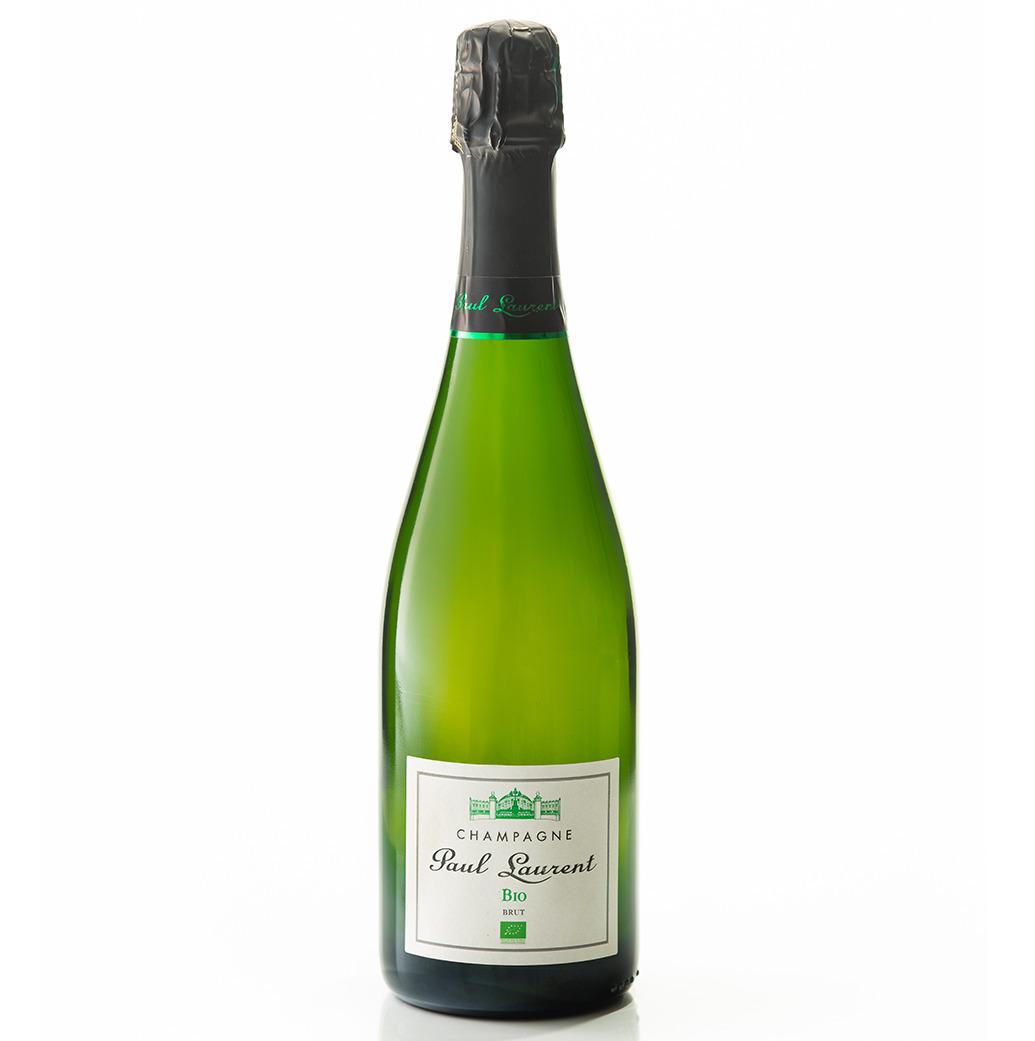
Champagne Paul Laurent is officially certified Viticulture Durable en Champagne, and all our cuvées are crafted eco-responsibly. Within the range, our Cuvée BIO is a certified organic champagne. You can read more about our approach on the Our House page.
Does organic champagne taste different?
Organic certification describes how a wine is made, not a particular taste. Many people find that organic champagnes show a clear expression of fruit and terroir, but style depends above all on the grapes, the blend, the ageing and the dosage.
Our Cuvée BIO is a good example of a distinctive organic style. It combines 60% Pinot Meunier with 40% Chardonnay. The Chardonnay is aged in oak before blending, then the wine matures in stainless steel tanks followed by a minimum of 15 months on its lees, 24 months of ageing in total. The result is a lively, bright champagne with citrus, floral and fruity notes: the berry fruit of Pinot Meunier meets the creamy softness of the oak-aged Chardonnay.
What to eat with organic champagne
Pair it as you would any champagne of a similar style. The fruitiness and creamy texture of our Cuvée BIO make it a good match for:
- Roast pork or poultry with herbs
- Mushroom risotto or a wild mushroom tart
- Seasonal vegetables, from asparagus to roasted squash
- Soft cheeses and a mature Comté
Find more ideas in our champagne food pairing guide.
Why organic farming matters for terroir
Many growers who work organically say that healthy, living soils help the vines root more deeply and express the character of their plot. In a region where chalk, marl and clay vary from one hillside to the next, that sense of place is a precious part of each wine. Whatever the farming system, the aim is the same: to hand on a vineyard in good health to the next generation. Read more about our area in discovering the Côte de Sézanne.
How to recognise an organic champagne
- Look for the EU organic logo (the green leaf made of stars) on the label.
- In France, you may also see the AB logo.
- Check for the code of the certification body, which appears near the logo.
- Words such as “natural”, “eco” or “sustainable” on their own do not mean the wine is certified organic.
Frequently asked questions
Is organic champagne sulphite-free?
No. Organic wines may contain sulphites, but the maximum authorised levels are lower than for conventional wines. Sulphites also occur naturally during fermentation.
Is organic champagne better for the environment?
Organic farming avoids synthetic chemical inputs and aims to protect soils and biodiversity. Other certifications, such as sustainable viticulture, address a wider range of environmental issues. Both approaches can contribute to a more responsible vineyard.
Can a champagne house produce both organic and non-organic cuvées?
Yes. Many houses farm some plots organically and others under a different system, as long as the organic grapes and wines are kept separate and certified.
Discover our Cuvée BIO. A certified organic champagne blending Pinot Meunier with oak-aged Chardonnay. See the cuvée or contact us to order.
Conclusion
An organic champagne is the result of a certified approach in both the vineyard and the cellar: no synthetic chemicals among the vines, strict rules in the winery and annual independent checks. Alongside sustainable viticulture, it is one of the ways Champagne producers are caring for their land for future generations. Please drink responsibly.
Related articles
The Côte de Sézanne: Discovering Champagne’s Southern Terroir
Discover the Côte de Sézanne, the southern Champagne area around Sézanne and Bethon: its soils, its Chardonnay, the style of its wines and what to see nearby.
How Champagne Is Made: The Traditional Method Step by Step
From hand harvest to disgorging: each step of the traditional method used to make champagne, including blending, second fermentation, riddling and dosage.
Chardonnay, Pinot Noir and Pinot Meunier: The Grapes of Champagne
The three champagne grapes explained: what Chardonnay, Pinot Noir and Pinot Meunier bring to a blend, the rare varieties and how to read a cuvée’s blend.