
How to Open a Bottle of Champagne Safely and Elegantly
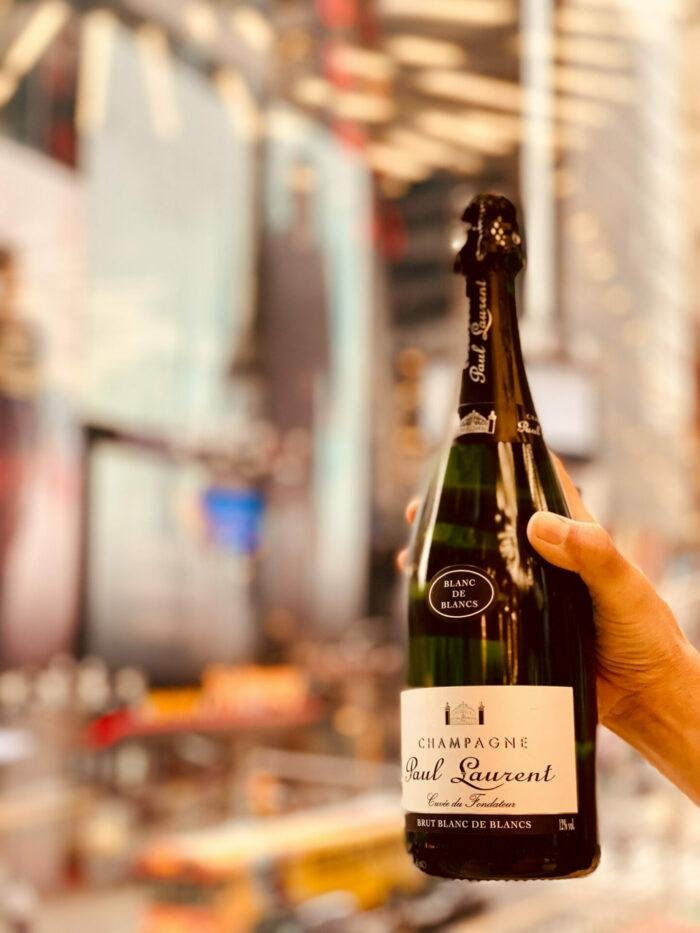
Opening a bottle of champagne should be a moment of pleasure, not of stress. The wine inside is under considerable pressure, so a little technique is needed to open it safely, keep every drop in the bottle and preserve the bubbles. The good news is that the right method is simple. Here it is, step by step, with the most common mistakes to avoid.
Why champagne needs careful handling
During the second fermentation in the bottle, carbon dioxide dissolves into the wine and creates a pressure of around six atmospheres, about three times the pressure of a car tyre. That pressure is what gives champagne its bubbles, but it also means a cork released carelessly can fly out at high speed. Eye injuries from flying corks do happen, so a few safety rules are essential.
Before you start: chill the bottle
A well-chilled bottle is easier and safer to open. Cold wine holds its carbon dioxide better, so the pressure is lower and the champagne is less likely to foam out. Aim for a serving temperature of around 8 to 10 °C: about 15 to 20 minutes in an ice bucket filled with ice and water, or a few hours in the refrigerator. Never open a warm bottle, and avoid shaking it or carrying it around just before opening. Our guide on how to serve champagne explains chilling in more detail.
Step-by-step: how to open champagne
1. Dry the bottle and prepare a napkin
Wipe the bottle so it does not slip in your hands. Keep a clean cloth or napkin nearby; you will use it to hold the cork.
2. Remove the foil
Pull the tab or cut the foil just below the wire cage and remove it.
3. Point the bottle in a safe direction
From this moment on, always keep the bottle pointed away from yourself, other people, windows and lights, at an angle of about 45 degrees.
4. Loosen the cage, keeping your thumb on the cork
Place your thumb firmly on top of the cork. With your other hand, untwist the wire loop of the cage, usually six half-turns. You can leave the loosened cage on the cork: it gives you a better grip.
5. Hold the cork, turn the bottle
Cover the cork and cage with the napkin and hold them firmly in one hand. With your other hand, hold the bottle by its base. Now slowly turn the bottle, not the cork. This gives you much more control.
6. Let the pressure ease the cork out
As you turn, you will feel the cork start to move. Resist it gently with your hand, so that it comes out slowly. The aim is a soft sigh, not a loud pop. A quiet opening keeps more bubbles in the wine and avoids spills.
7. Keep the bottle tilted for a few seconds
Hold the bottle at an angle for a moment after the cork comes out. This increases the surface of the wine and helps prevent foaming over the neck. Then pour gently in two stages, as explained in our serving guide.
Opening large bottles
Magnums and larger formats follow the same method, but they are heavier and the corks are bigger. Rest the bottle on a stable surface or against your hip, use both hands and allow more time for chilling. See champagne bottle sizes explained for practical tips on large formats.
What about sabrage?
Sabrage, opening a bottle with a sabre by striking the neck along the seam, is a spectacular tradition. It is, however, risky: it requires training, a properly chilled bottle and a safe space, and it produces glass fragments. For everyday occasions, the classic method is the best choice. If you do attempt sabrage, do it outdoors, far from people, and only after learning from someone experienced.
What to do if the cork is stuck
- Make sure the cage is fully loosened.
- Run the neck briefly under warm water for a few seconds; the slight warmth can help the cork move. Do not overdo it, as warming increases the pressure.
- Use a champagne key or cork grip, a tool designed to give you a better hold.
- Never use a corkscrew: the pressure can push the cork out violently.
Common mistakes to avoid
- Removing the cage and then taking your hand off the cork.
- Pointing the bottle towards a guest, a chandelier or a window.
- Shaking the bottle for a spray effect: it wastes wine and is dangerous.
- Turning the cork instead of the bottle, which can break the cork.
- Opening a warm bottle.
After opening
Serve the champagne straight away, keep the bottle in the ice bucket between pours and, if some wine is left, close the bottle with a hermetic champagne stopper and keep it in the refrigerator for one or two days. Learn more in how to store champagne.
Frequently asked questions
Should a champagne cork pop?
A gentle sigh is the sign of a well-opened bottle. A loud pop wastes bubbles and wine, although it can be part of the fun at a party, as long as the bottle is pointed safely.
How many turns does a champagne cage have?
The wire loop of the cage, the muselet, is traditionally untwisted with six half-turns.
Can I open champagne without a napkin?
Yes, but a napkin gives you a better grip, catches any spray and helps stop the cork from flying away.
Ready to celebrate? Choose your cuvée on Our Champagnes, from the fresh Blanc de Blancs to the fruity Brut Rosé.
Conclusion
Chill the bottle, keep your thumb on the cork, hold the cork and turn the bottle, and let the pressure ease it out with a soft sigh. With these simple gestures, opening champagne becomes safe, elegant and stress-free, and the wine keeps all the bubbles it deserves. Please drink responsibly.
Related articles
How to Serve Champagne: Temperature, Glasses and Pouring Tips
The ideal champagne serving temperature, how long to chill a bottle, which glass to use and how to pour without losing the bubbles. A practical guide.
Champagne Bottle Sizes Explained: Half Bottle, Magnum and Beyond
From the 37.5 cl half bottle to the 1.5 L magnum and the Jeroboam: champagne bottle sizes, their names, how many glasses each serves and how to choose.
How to Store Champagne at Home and How Long It Keeps
Should champagne be stored lying down or standing up? Ideal temperature, light and humidity, how long unopened and opened champagne keeps, and common mistakes.