Champagne Bottle Sizes Explained: Half Bottle, Magnum and Beyond
Champagne comes in more formats than any other wine, from small bottles for one or two people to giant bottles with biblical names that can serve a whole party. Each size has its uses, and some even affect how the wine ages. Here is a clear guide to champagne bottle sizes, how many glasses they serve and how to choose the right one for your occasion.
The most common sizes
Half bottle (demi-bouteille): 37.5 cl
Half the size of a standard bottle, it serves about three glasses. It is ideal for two people, for an aperitif or for tasting a new cuvée. Because the small volume evolves faster, half bottles are best enjoyed young.
Standard bottle: 75 cl
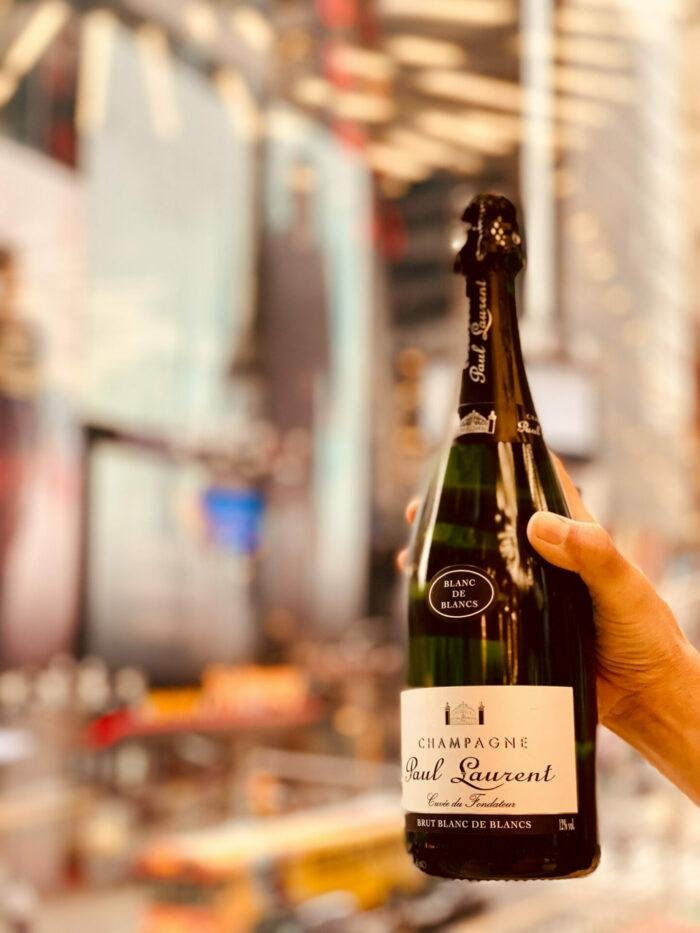
The reference format, used for most cuvées. It serves around six glasses of 12.5 cl. All seven cuvées of Champagne Paul Laurent are available in 75 cl; you can browse them on Our Champagnes.
Magnum: 1.5 L
Equivalent to two standard bottles, a magnum serves about twelve glasses. Many champagne lovers consider it the ideal format: it looks generous on the table and, because the ratio between the wine and the small amount of oxygen in the neck is lower, the champagne ages more slowly and gracefully. Our Cuvée Brut Rosé is available in 75 cl and 1.5 L.
Large formats and their names
Beyond the magnum, the traditional large formats are named after figures from the Bible and from ancient history. They are rare, impressive and mostly reserved for big celebrations.
| Name | Volume | Equivalent in 75 cl bottles | Approx. glasses (12.5 cl) |
|---|---|---|---|
| Quarter (Piccolo) | 20 cl | ¼ | 1–2 |
| Half bottle (Demi) | 37.5 cl | ½ | 3 |
| Bottle | 75 cl | 1 | 6 |
| Magnum | 1.5 L | 2 | 12 |
| Jeroboam | 3 L | 4 | 24 |
| Rehoboam | 4.5 L | 6 | 36 |
| Methuselah | 6 L | 8 | 48 |
| Salmanazar | 9 L | 12 | 72 |
| Balthazar | 12 L | 16 | 96 |
| Nebuchadnezzar | 15 L | 20 | 120 |
Even larger bottles exist but are extremely rare. Availability of large formats varies a great deal from one producer to another.
Why champagne bottles are so heavy
A champagne bottle is noticeably heavier than a still wine bottle, and for good reason. The second fermentation creates a pressure of around six atmospheres, roughly three times the pressure in a car tyre. To withstand it, champagne bottles are made from thick glass and have a deep punt, the hollow at the base, which strengthens the bottom of the bottle. The cork is held in place by a wire cage called the muselet. That pressure is also why a bottle should always be opened carefully, with the cork pointing away from people. The heavier glass, the cork and the cage are all part of what makes the bottle safe to handle, transport and store.
Is champagne fermented in the large bottles?
Not always. Half bottles, bottles and magnums usually go through the second fermentation in the same bottle in which they are sold. For the largest formats, many producers carry out the second fermentation in standard bottles or magnums, then transfer the finished wine into the large bottle, a process known as transvasage. This is one reason why magnums are particularly prized: the wine has aged on its lees in that very bottle.
How bottle size affects ageing
Every bottle has a small air space under the cork. In a large bottle, this space is tiny compared with the volume of wine, so the champagne evolves more slowly, keeping its freshness longer while developing complexity. In a half bottle, the wine evolves more quickly. If you plan to keep champagne for several years, a magnum is the wisest choice. For storage advice, read how to store champagne.
How much champagne do you need for a party?
A simple rule: one 75 cl bottle serves about six glasses. Then estimate how many glasses each guest will drink:
- Toast only: one glass per person, so one bottle for six guests.
- Aperitif or cocktail party (1–2 hours): two to three glasses per person, so about one bottle for every two or three guests.
- Champagne served throughout a meal or a reception: around half a bottle per person.
For 30 guests at a two-hour reception with champagne only, plan roughly 12 to 15 bottles, or 6 to 8 magnums. It is always wise to have a few extra bottles chilled, and to offer water and non-alcoholic drinks alongside.
Choosing the right size for the occasion
- A dinner for two: a half bottle for the aperitif, or a standard bottle to share over the meal.
- A dinner party of six to eight: one or two standard bottles, or a magnum for a striking presentation.
- A wedding, birthday or company event: magnums or larger formats for the toast, with standard bottles for service.
- A gift: a magnum always makes an impression and can be kept for a future celebration.
Serving large bottles
Large formats take longer to chill: allow at least 30 to 45 minutes in a large ice bucket for a magnum, and plan more time for bigger bottles. Pour with two hands, holding the bottle by the base and the punt (the hollow at the bottom), and ask for help with the heaviest formats. Our guides on how to serve champagne and how to open champagne safely are useful before any celebration.
Frequently asked questions
How many glasses are in a bottle of champagne?
About six glasses of 12.5 cl in a 75 cl bottle, and twelve in a magnum.
Why is it called a magnum?
“Magnum” comes from the Latin for “great”. The larger formats take their names from biblical kings and figures, such as Jeroboam, Methuselah and Balthazar.
Does champagne taste better from a magnum?
Many professionals believe it does, because the wine ages more slowly and harmoniously in this format. The difference is most noticeable in older champagnes.
Planning a celebration? Contact us to ask about available formats, including our Brut Rosé in 1.5 L.
Conclusion
From the 37.5 cl half bottle to the magnum and beyond, each champagne format has its moment. Choose half bottles for intimate occasions, standard bottles for everyday celebrations and magnums when you want the wine, and the moment, to be a little more memorable. Please drink responsibly.
Related articles
How to Store Champagne at Home and How Long It Keeps
Should champagne be stored lying down or standing up? Ideal temperature, light and humidity, how long unopened and opened champagne keeps, and common mistakes.
How to Serve Champagne: Temperature, Glasses and Pouring Tips
The ideal champagne serving temperature, how long to chill a bottle, which glass to use and how to pour without losing the bubbles. A practical guide.
How to Open a Bottle of Champagne Safely and Elegantly
Open champagne the right way: chill the bottle, remove the foil and cage, twist the bottle, not the cork, and release it with a quiet sigh. Plus safety tips.